How the project worked
The Early Mastery project has been divided in two main phases, called “coding in” and “coding out”:
CODING IN During the first year of the project the consortium based they work in building, designing and developing different coding activities, available now in the project platform and in the presented guide. The goal of this first year was to generate knowledge based on the partners’ experiences and afterwards, the material generated was revised and internally checked.
During this first year we had the chance to meet in three occasions: in Girona (Spain) for the kick-off meeting, in Perugia (Italy) and in Craiova (Romania). These meetings were highly valuable because we had the opportunity to agree in different project aspects such as the appearance of the project website, the structure of the coding activities and to distribute the implementation of the coding activities between partners, among others.
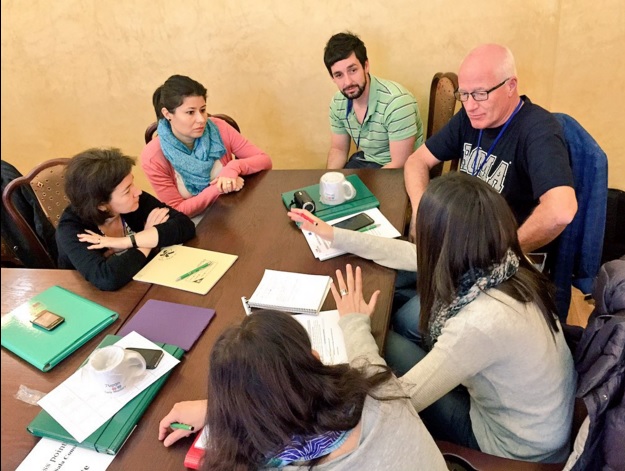
Therefore, this first year we focused in working together towards the generation of a quality material for the second year of the project.
CODING OUT Coding out phase started with the celebration of the First Training Activity held in Le Creusot, France. During 5 days we had the chance to meet together and implement in some French schools various coding activities developed during the first year.
Therefore, we started coding out by disseminating and sharing our project activities at several schools outside the partnership. Thanks to these implementations, we were able to capture the teacher’s feedback and edit the coding activities according to their suggestions and opinions. Thanks to the knowledge acquired in the first year of the project and the experience gained through the implementations of the second year, we started working towards the teacher’s guide.
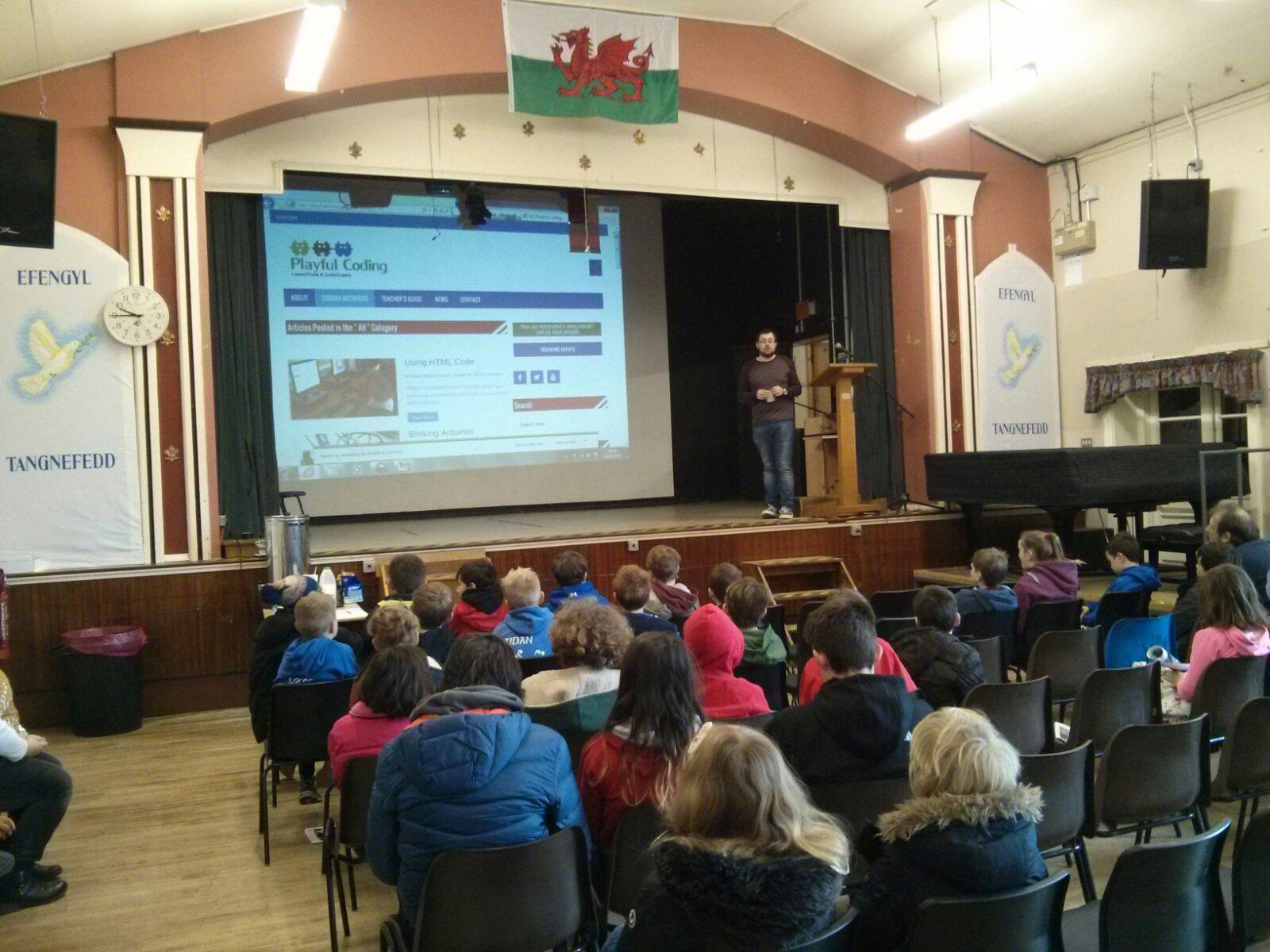
Some of the activities carried out to coding out were the celebration of the playful coding day in Machynlleth, Wales, and the Playful Coding week, in Girona, Spain. Those activities help us realise important aspects to take into account while writing the teacher’s guide, such as the importance of the learning environment, itineraries to include and the effectiveness of a good assessment.
All in all, Early Mastery project has provided us the opportunity to learn from each other inside the consortium and the chance to engage new schools from all over Europe in applying programming activities in their classrooms throughout the material generated over the two years of the project.